
Leading with an eternal perspective in today’s post‑Christian world requires courage, conviction, and a deep commitment to biblical truth. As Christian business leaders, we are called to stand firm against the cultural pressures that threaten to undermine our values. Yet, with the power of the Holy Spirit and a steadfast commitment to servant leadership, integrity, and love, we can create businesses that reflect God’s Kingdom and engage postmodernists with biblical truth.
The cultural shift is significant, but with clear strategies, bold leadership, and deep faith in the power of God’s truth, we can create organizations that succeed while serving as beacons of light in a dark and increasingly secular world.
As the landscape of evangelism evolves, our approach must adapt while remaining rooted in biblical truth. The shift from confrontational to conversational methods reflects an understanding of the postmodern mindset and the importance of building genuine relationships. Rather than viewing evangelism as a one‑time event or a sales pitch, we can approach it as an ongoing journey—walking alongside others with humility, empathy, and a genuine desire to understand their perspectives. With this foundation in place, we can explore practical strategies to prompt meaningful spiritual conversations that resonate with postmodernists in our increasingly complex and diverse society.
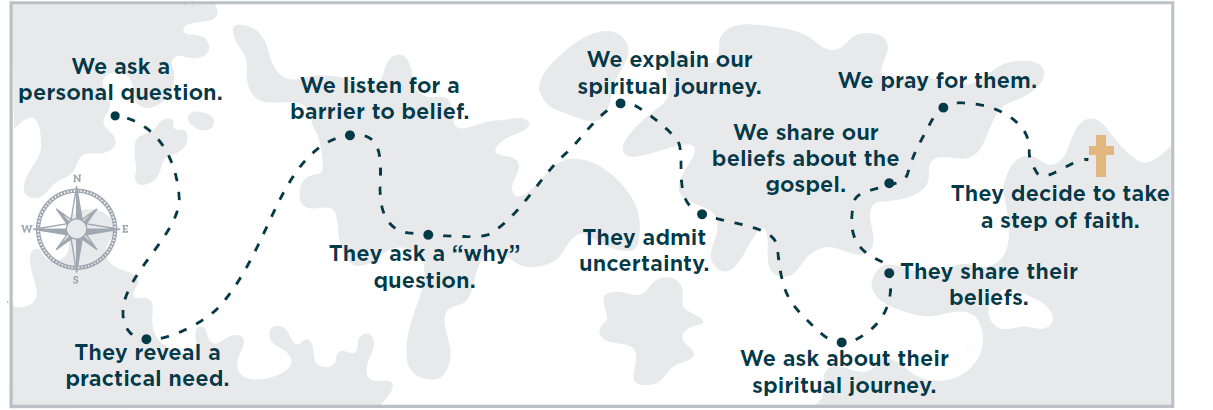
Model Christ’s Love. Show love, kindness, and integrity. Practice acts of service, generosity, and compassion to help break down skepticism and open doors for deeper conversations.
Understand the Long Game. Spiritual transformation is a journey. Allow people to wrestle with faith at their own pace. Focus on building meaningful relationships rather than expecting immediate results.
Lead with Questions, Not Answers. Ask open‑ended questions, such as “What gives you a sense of purpose?” to encourage reflection on deeper issues. Jesus often asked questions to provoke deep thought.
Emphasize Personal Stories. Share your faith journey, describing how you have encountered God, struggled with doubts, or found hope in difficult times. Testimonies demonstrate faith’s personal and transformative nature.
Highlight the Relevance of the Gospel. Discuss how biblical truth speaks to justice, identity, purpose, and love. Demonstrate how Christianity prizes human dignity and authentic community.
Invite Rather Than Argue. Invite others to explore faith with you, and respect their beliefs. If they are willing, read the Gospels or do service projects together. A spirit of invitation rather than argument fosters openness and curiosity.
Acknowledge Doubts and Questions. Instead of trying to resolve someone’s uncertainties immediately, listen to understand their perspective. Jesus was patient with Thomas’s doubt and Nicodemus’s struggle with spiritual rebirth. Remember to sow seeds of faith and leave the results to God.
As a leader, your time and influence in the workplace are fleeting. Colleagues come and go. Customers shift. Vendors and suppliers may be crucial in one season and fade into the background in another. That is why it is essential to stay ready to be a light in every interaction and respond with grace when questions arise about the hope you have in Christ. The stakes could not be higher—eternal destinies are on the line. One day, a colleague, customer, or vendor may come to know Christ because of the small moments of faith you embraced today.
C12 Business Forums provides an architected environment for Christian business leaders that integrates work, life, and leadership transformation. To learn more about C12’s approach to Christ‑centered business leadership, visit us at www.c12neohio.com

David Beasley
Principal Chair
